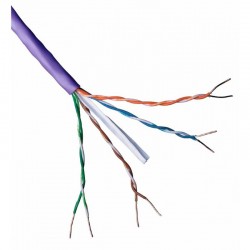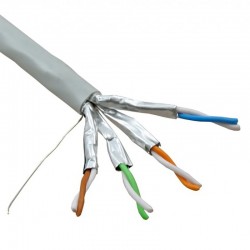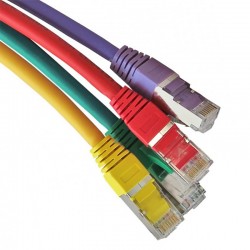
The Hidden Cost of Getting Cat 6 vs Cat 6a Wrong on a New Build Development
Why the cable category decision made at design stage is one of the most consequential and least revisited choices on a new build project
Cat 6 and Cat 6a look almost identical on a drawing. The cost difference per metre seems marginal during procurement. But specifying the wrong category for a new build development is an expensive mistake - one that is discovered only after the walls are plastered, the carpets are fitted and the residents have moved in.
The Problem with Under-Specifying at Design Stage
On many new build residential and mixed-use developments, the cabling specification is decided early in the design process, sometimes before the end-user requirements are fully understood. Cat 6 has historically been seen as adequate for most residential applications, and in some cases it still is. But as connectivity requirements evolve and building owners commit to long-term network performance, Cat 6 installations are increasingly showing their limitations.
Cat 6 supports 10 Gigabit Ethernet, but only up to approximately 37 metres. Beyond that, the maximum reliable throughput drops to 1 Gigabit. In multi-storey apartment developments, riser distances and horizontal runs can easily exceed that threshold, particularly where communications rooms are consolidated to save space. An installation that looks compliant on paper can underperform from day one.
Cat 6a, augmented Category 6, supports 10 Gigabit Ethernet to the full 100 metre channel. It is not simply a faster version of Cat 6. It is a fundamentally different specification, with tighter alien crosstalk control and a wider conductor diameter. The physical difference matters: Cat 6a cable cannot simply be substituted post-installation. If the wrong product has been specified and installed, remediation means pulling cable through finished walls, different cable management and cabling routes possibly.
What Remediation Actually Costs
The cost of extracting and replacing cabling in a completed residential development is substantial. Access to risers is restricted. Apartments are occupied. Plastering, decorating, floor coverings and skirting boards all have to be disturbed. Contractors are back on site under warranty obligations rather than earning revenue on the next project. Developers face complaints from residents and potential defect liability claims.
Compare that cost to the incremental difference between Cat 6 and Cat 6a at specification stage. The delta is real but modest. On a 200-apartment development, the price difference is a fraction of what one wave of remedial work costs — let alone the reputational damage of residents complaining about network performance in the first months of occupancy.
Why Cat 6a Should Now Be the Default
The case for Cat 6a as a residential default has strengthened considerably in recent years. Building regulations and industry standards increasingly reflect the expectation of gigabit-capable infrastructure. Broadband ISPs are delivering speeds that require capable cabling to realise at the point of use. Smart home technologies, 4K and 8K video distribution, IP security systems and building management platforms all benefit from Cat 6a headroom.
Developers and their consultants who specify Cat 6a from the outset are not over-engineering, they are protecting their product against obsolescence. A residential development is expected to perform reliably for decades. The cabling infrastructure is the one element of the network that cannot be upgraded without significant disruption once the building is complete.
Getting the Specification Right
The key decisions happen during RIBA Stage 2 and 3 design. Consultants specifying the network infrastructure need to consider not just today's requirements but the reasonable demands of a building in ten to fifteen years. That assessment almost always points toward Cat 6a for horizontal runs and fibre for backbone links between risers and communications rooms.
Connectix provides consultant specification support and CPD sessions for design teams working on new build residential and mixed-use developments. The Connectix Approved Installer Programme ensures that the products specified are installed by engineers who understand the standards and can deliver compliant, warranted infrastructure.